Inclusive Pedagogy

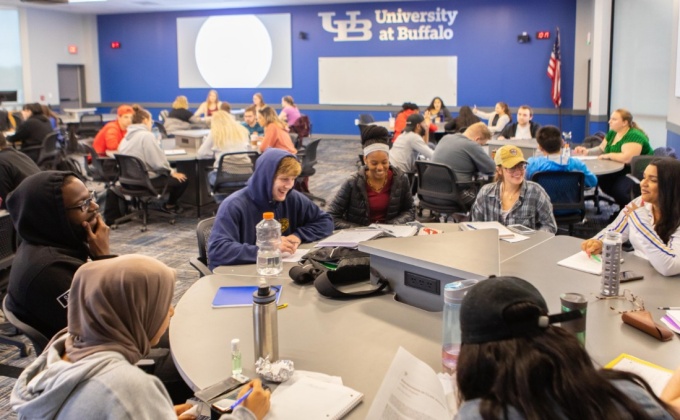
Inclusive pedagogy is a student-centered approach to teaching that employs innovative course design and teaching methods to cultivate a classroom or remote learning environment that helps everyone feel respected and empowered to achieve their highest potential. See below for tips for instructiors and resources.
Teaching Strategy
- Convey the same level of confidence in the abilities of all your students. Be cautious about being over-protective of or unduly strict toward any group of or individual students, being mindful of existing stereotypes and not perpetuating them1
- Provide multiple options for engagement that encourage learner autonomy. Invite students to do investigations or research on self selected topics to draw on personal interests/relevance. Increase options for assignment format to allow students increased choice (e.g. oral presentation, research paper, design project)1
- Offer students multiple lower-stakes opportunities to demonstrate their knowledge (e.g. quizzes, discussions, proposals, peer review)2
- Reflect on the activities you choose for class. Do you tend to repeat the same format every week, or do you vary your class activities? Do you provide multiple class participation opportunities (e.g. large group, paired, group, and individual work)? Try expanding your repertoire to broaden student engagement1
- Reflect on how students may perceive you. Consider your positionality, social location, and your intersecting social identities (e.g., race, sex, class, gender, ability, sexual orientation)1
- Gather anonymous student feedback throughout the course to allow for within-semester adjustments3
Resources
UB Resources
Inclusive Pedagogy
Accessibility
Recordings from 2020-2021 UB Events
Do you have questions specific to your academic discipline?