Inclusive Pedagogy

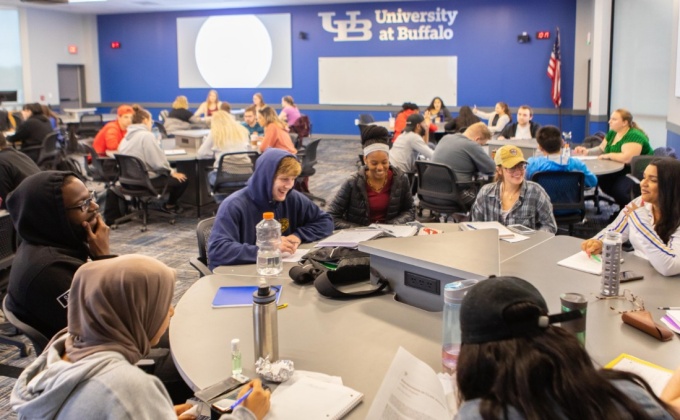
Inclusive pedagogy is a student-centered approach to teaching that employs innovative course design and teaching methods to cultivate a classroom or remote learning environment that helps everyone feel respected and empowered to achieve their highest potential. See below for tips for instructiors and resources.
Classroom Dynamics
- Establish a collective agreement with your students about what constitutes a supportive and inclusive teaching environment. This gives students a sense of responsibility for the classroom climate, and can also help you regain control during “heated” classroom moments1
- Take an asset (as opposed to deficit) based approach by valuing your students as individuals with the breadth of skills and experiences that they are bringing into the classroom2
- Create opportunities for students to build rapport and get to know one another2
- Avoid making assumptions about students’ membership in various demographic groups. Allow students to self-identify, and only if they feel comfortable doing so. Likewise, do not expect individuals to speak for the experience of an entire group, and step in if students have this expectation of their peers1
- Encourage dialogue about learning experiences (e.g. facilitate a discussion about the best and worst class experiences to learn from students and cultivate a climate for learning)1
- Address challenging classroom moments head-on (e.g. microaggressions, offensive and alienating comments, behaviors, and attitudes). Turn difficult moments into teachable moments, asking students to stop and reflect critically on assumptions and positions. Focus on the comment, behavior, or attitude itself, not the motives or intentions of the person committing the offense1
Resources
UB Resources
Inclusive Pedagogy
Accessibility
Recordings from 2020-2021 UB Events
Do you have questions specific to your academic discipline?