News & information from UB, New York's flagship university
UB Researchers Help Make the Impossible Possible by Combining Cutting-Edge Branches of Science
Release Date: September 11, 2012 This content is archived.


BUFFALO, N.Y. -- Will humans ever control lightning? Could we make the invisible visible, and vice versa?
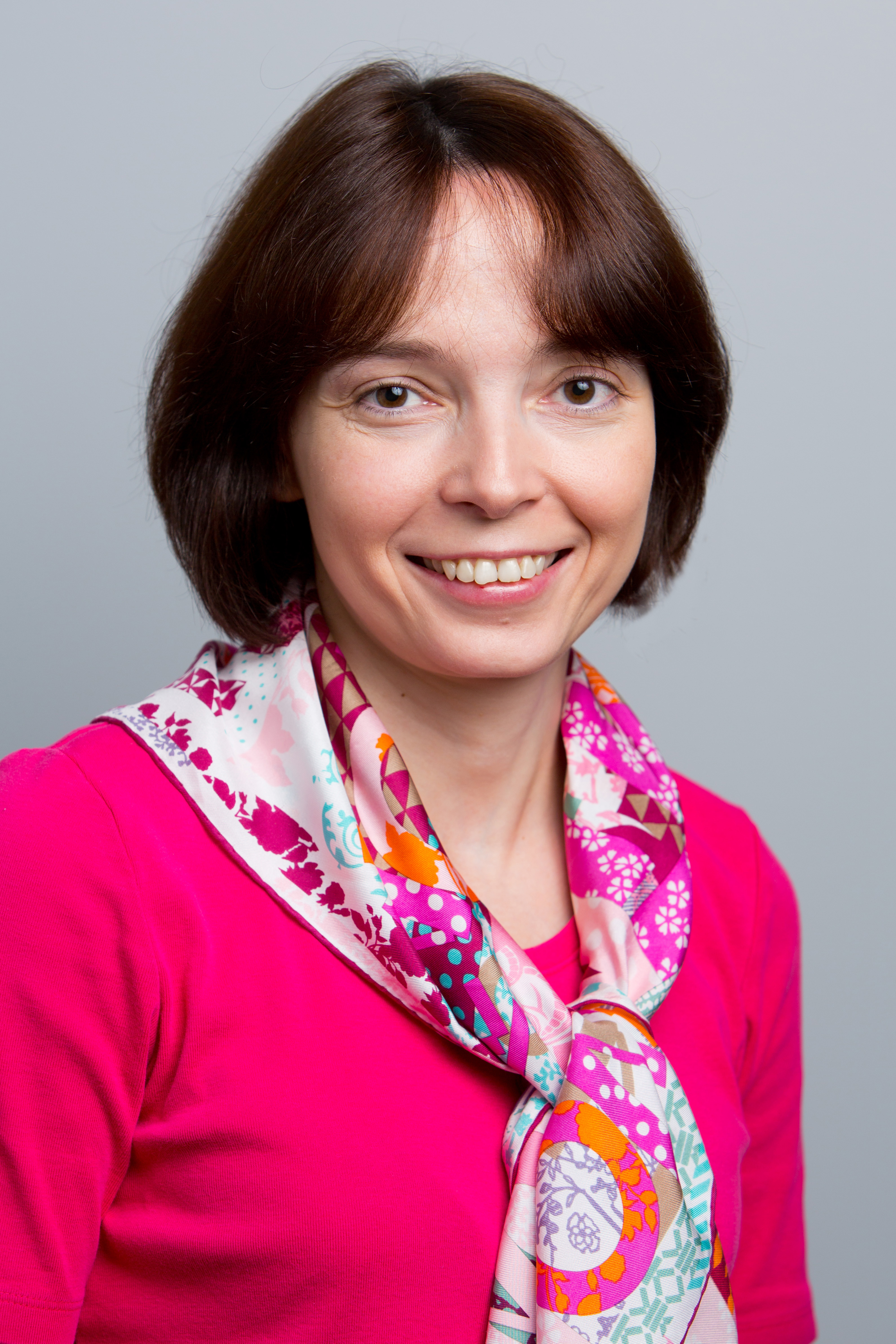
It's those questions and more that researchers such as Natalia Litchinitser, an associate professor of electrical engineering at the University at Buffalo, are exploring in the evolving field of modern optics.
Optics, or the science of light, is a centuries-old branch of physics that examines the properties and behavior of light, including its interaction with matter, and the instruments that use and detect it.
Modern optics refers to advancements starting in the 2oth century to present. Examples include high-powered lasers, light-emitting diodes (LEDs) and solar panels.
The synergy of two branches of modern optics -- metamaterials and singular optics -- is fueling even more innovative research, Litchinitser wrote in an essay published Aug. 31 in the journal Science. The essay can be found at http://www.sciencemag.org.
"Metamaterials and singular optics are two fascinating branches of modern optics that until recently were rapidly developing in parallel yet independently," Litchinitser writes.
The field of metamaterials focuses on the development of manmade structures that exhibit optical, acoustical and mechanical properties not found in nature. They have many potential uses, such as creating high-resolution imaging devices and improved sensors. They're also used to make cloaking devices that might someday render objects invisible.
Singular optics, meanwhile, centers on manipulating light waves -- usually with a laser and other components -- into a corkscrew pattern that resembles a tornado's shape. The effect, which leaves a dark hole in the light's center, is called an optical vortex.
Like metamaterials, singular optics has many potential applications, including improving bandwidth efficiency and data processing rates. It also may enable researchers to build light beams that, when pointed into a storm cloud, could control lightning to avoid potential strikes with airports, power plants or other sensitive structures.
A small but growing number of researchers began combining elements of metamaterials and singular optics last decade with the financial support of the Department of Defense, NASA and other federal agencies, Litchinitser said.
Litchinitser's research received a boost last year when the Defense Department awarded her and fellow researchers Alexander N. Cartwright and Grover Swartzlander a $1.4 million grant. A UB professor of electrical engineering, Cartwright is UB's vice president for research and economic development. Swartzlander is a physics professor at the Rochester Institute of Technology.
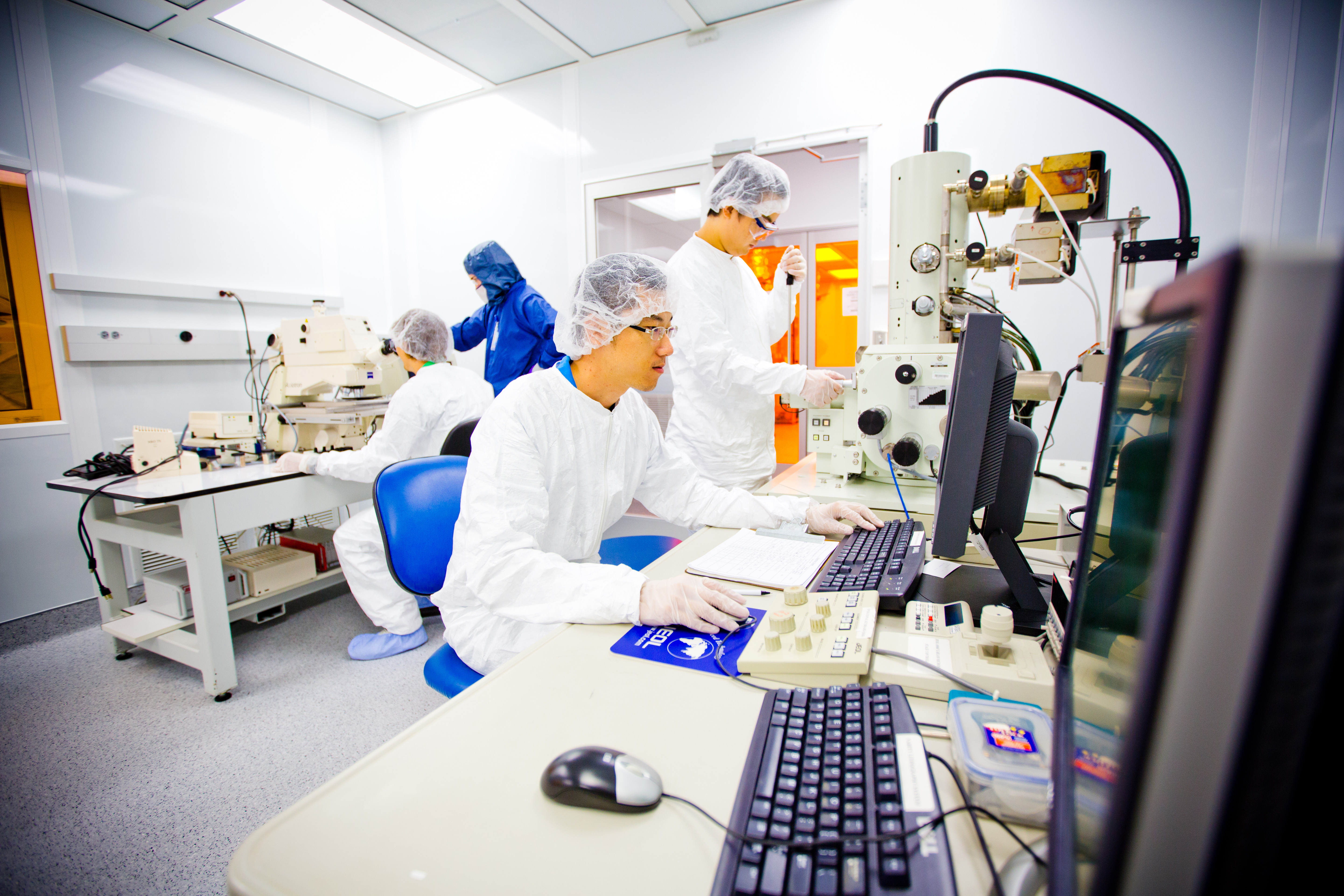
The researchers -- along with a team of postgraduate, graduate and undergraduate students -- are using elements of singular optics and metamaterials to develop new technology designed to process greater amounts of information quicker than traditional microchips.
Because the research centers partially on developing synthetic materials, there's also an opportunity to work with UB's Center of Excellence in Materials Informatics. The center, which the state approved in March, will focus on developing synthetic materials designed to replace rare minerals used in smartphones, hybrid car batteries and other devices. For more information about the center, visit: http://www.buffalo.edu/news/13308.
The potential for metamaterials and singular optics is perhaps best summed up at the conclusion of Litchinitser's essay.
"Metamaterials are poised to bring new dimensions to the science and applications of complex light..." the essay says.
Media Contact Information
Cory Nealon
Director of Media Relations
Engineering, Computer Science
Tel: 716-645-4614
cmnealon@buffalo.edu