News & information from UB, New York's flagship university
Researchers Engineer Adult Stem Cells That Do Not Age, Overcoming a Major Barrier to Progress in Regenerative Medicine
Release Date: September 22, 2010 This content is archived.


BUFFALO, N.Y. -- Biomedical researchers at the University at Buffalo have engineered adult stem cells that scientists can grow continuously in culture, a discovery that could speed development of cost-effective treatments for diseases including heart disease, diabetes, immune disorders and neurodegenerative diseases.
UB scientists created the new cell lines – named "MSC Universal" – by genetically altering mesenchymal stem cells, which are found in bone marrow and can differentiate into cell types including bone, cartilage, muscle, fat, and beta-pancreatic islet cells.
The researchers say the breakthrough overcomes a frustrating barrier to progress in the field of regenerative medicine: The difficulty of growing adult stem cells for clinical applications.
Because mesenchymal stem cells have a limited life span in laboratory cultures, scientists and doctors who use the cells in research and treatments must continuously obtain fresh samples from bone marrow donors, a process both expensive and time-consuming. In addition, mesenchymal stem cells from different donors can vary in performance.
The cells that UB researchers modified show no signs of aging in culture, but otherwise appear to function as regular mesenchymal stem cells do – including by conferring therapeutic benefits in an animal study of heart disease. Despite their propensity to proliferate in the laboratory, MSC-Universal cells did not form tumors in animal testing.
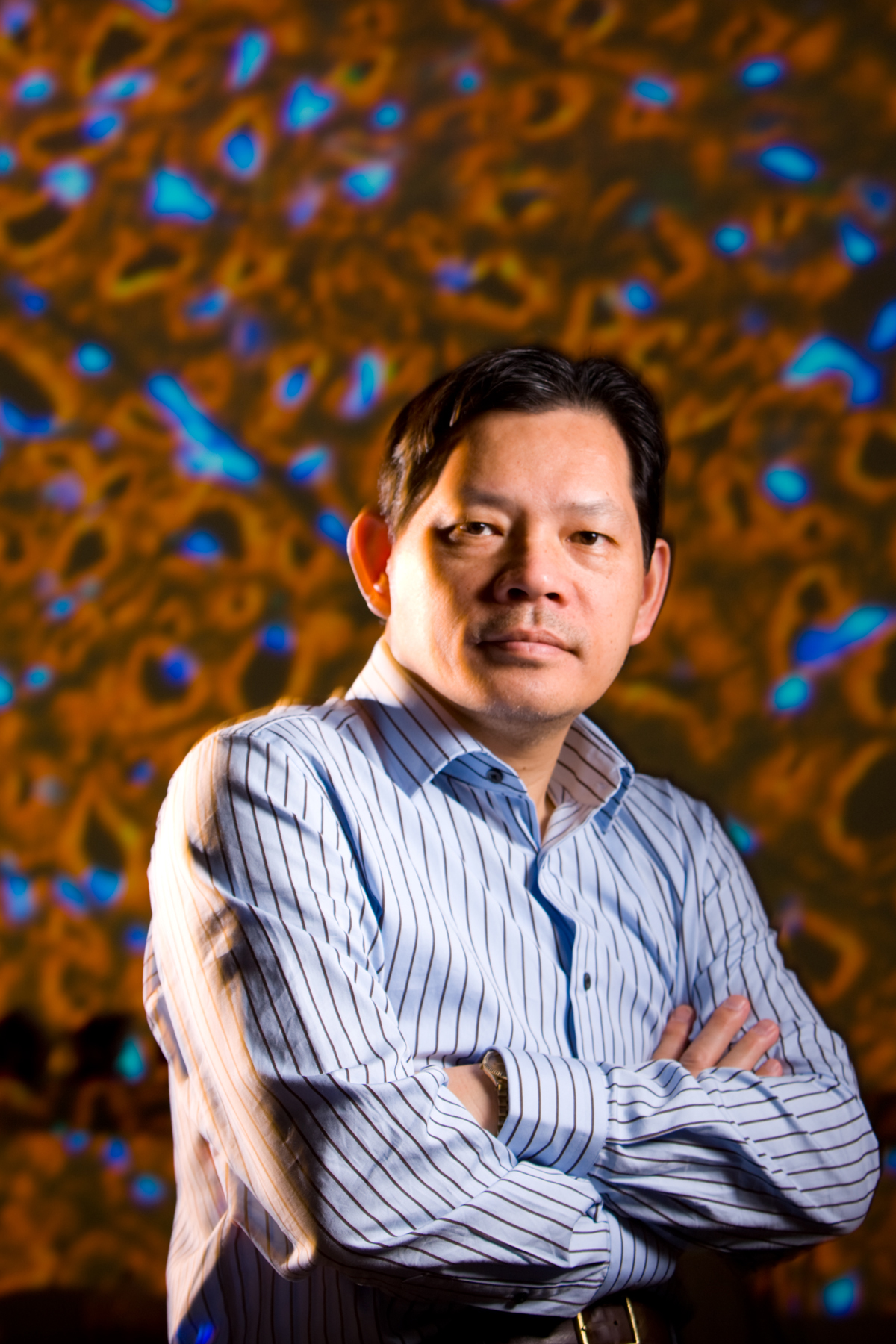
"Our stem cell research is application-driven," says Techung Lee, PhD, UB associate professor of biochemistry and biomedical engineering in the School of Medicine and Biomedical Sciences and the School of Engineering and Applied Sciences, who led the project. "If you want to make stem cell therapies feasible, affordable and reproducible, we know you have to overcome a few hurdles. Part of the problem in our health care industry is that you have a treatment, but it often costs too much. In the case of stem cell treatments, isolating stem cells is very expensive. The cells we have engineered grow continuously in the laboratory, which brings down the price of treatments."
UB has applied for a patent to protect Lee's discovery, and the university's Office of Science, Technology Transfer and Economic Outreach (UB STOR) is discussing potential license agreements with companies interested in commercializing MSC-Universal.
Stem cells help regenerate or repair damaged tissues, primarily by releasing growth factors that encourage existing cells in the human body to function and grow.
Lee's ongoing work indicates that this feature makes it feasible to repair tissue damage by injecting mesenchymal stem cells into skeletal muscle, a less invasive procedure than injecting the cells directly into an organ requiring repair. In a rodent model of heart failure, Lee and collaborators showed that intramuscular delivery of mesenchymal stem cells improved heart chamber function and reduced scar tissue formation.
UB STOR commercialization manager Michael Fowler believes MSC-Universal could be key to bringing new regenerative therapies to the market. The modified cells could provide health care professionals and pharmaceutical companies with an unlimited supply of stem cells for therapeutic purposes, Fowler says.
Lee says his research team has generated two lines of MSC-Universal cells: a human line and a porcine line. Using the engineering technique he and colleagues developed, scientists can generate an MSC-Universal line from any donor sample of mesenchymal stem cells, he says.
"I imagine that if these cells become routinely used in the future, one can generate a line from each ethnic group for each gender for people to choose from," Lee says.
The research was funded by the National Institutes of Health and New York State Stem Cell Science (NYSTEM).
The University at Buffalo is a premier research-intensive public university, a flagship institution in the State University of New York system and its largest and most comprehensive campus. UB's more than 28,000 students pursue their academic interests through more than 300 undergraduate, graduate and professional degree programs. Founded in 1846, the University at Buffalo is a member of the Association of American Universities.
Media Contact Information
Charlotte Hsu is a former staff writer in University Communications. To contact UB's media relations staff, email ub-news@buffalo.edu or visit our list of current university media contacts.