News & information from UB, New York's flagship university
Using Social Media to Inspire College Students to Join Organ Donor Registry is Aim of New Grant
By Lois Baker
Release Date: October 14, 2008 This content is archived.


BUFFALO, N.Y. -- New York State's registry of residents willing to donate their organs and tissue if they are fatally injured lags behind those of states with less population and newer registries.
Only 7 percent of New York residents have signed formally onto the state's electronic registry. Building and populating the registry became increasingly important this July, when New York implemented a "consent" rather than an "intent" registry, which makes a patient's wishes more binding.
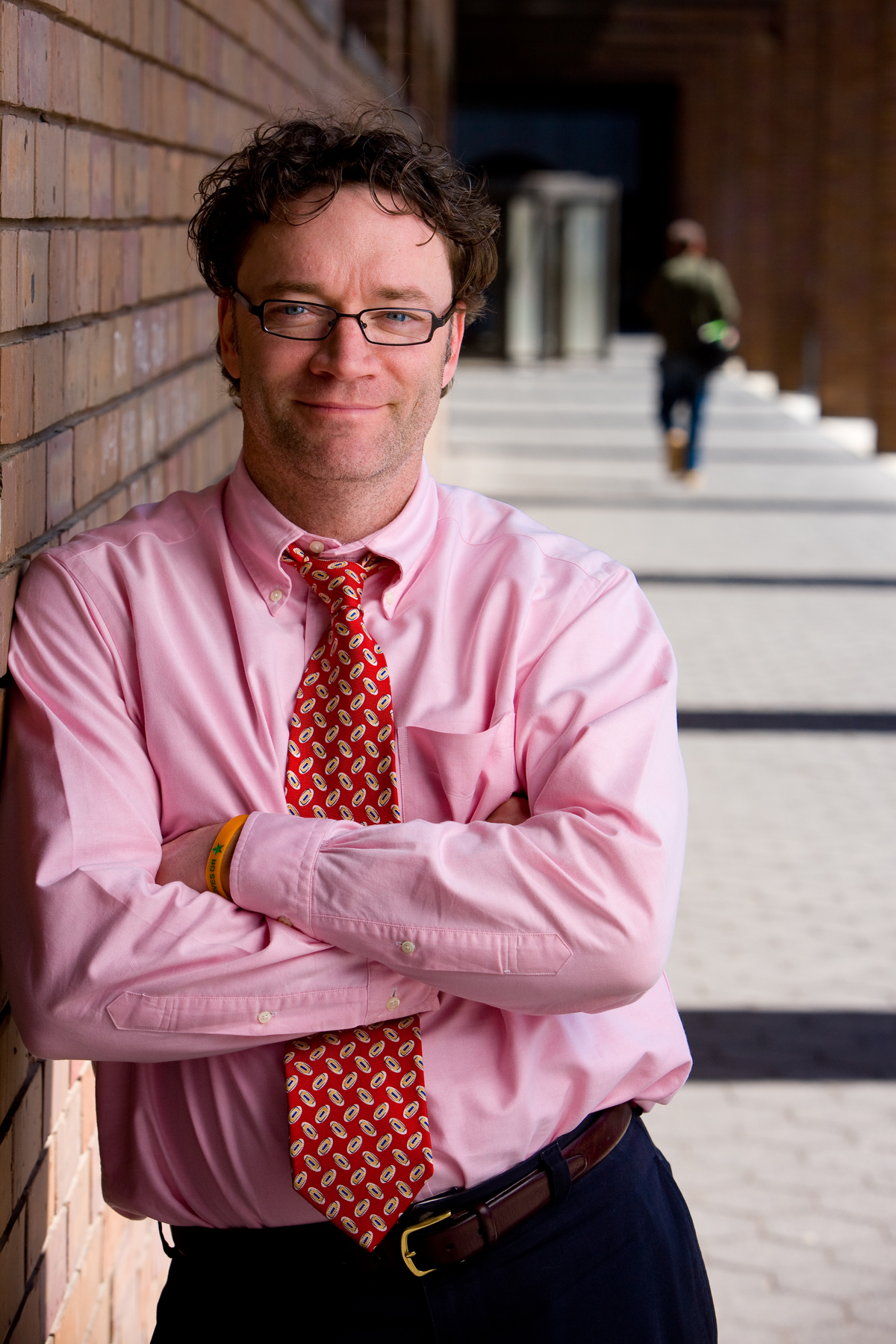
Thomas Feeley, Ph.D., University at Buffalo associate professor and a specialist in health communication, is co-principal investigator on a project to "bulk up" the registry.
With the aid of a $320,000 two-year grant from the Health Resources Services Administration's Division of Transplantation, Feeley and co-investigator Michael Stefanone, Ph.D., UB assistant professor of communication, will take advantage of popular Internet social networking Web sites to spread the word about the importance of organ donation and encourage users statewide to enroll. The New York Alliance for Donation in Albany is considered the principal investigator.
"Current efforts targeting young adults rely on traditional media, such as radio, television and print," says Feeley, "It's clear college-aged adults consider these forms of media antiquated."
The project's immediate target is the college-age population – 18 to 24 year olds – with a goal of increasing registrants in this group by 15 percent. A recent study found that more than 80 percent of college students regularly sign on to social networking Web sites MySpace and FaceBook.
An online presence encouraging organ donation will be created on these two sites, plus YouTube, the three most popular Web sites for social networking.
Messages created by pro-donation UB undergraduates will be posted and monitored, and the sites will be linked to the New York State Donate Life registry.
Feeley and Stefanone will document the number of hits and sign-ups, the overall increase in the registry and the increase in 18- to 24-year-old enrollees.
The researchers also plan to increase registration of non-college-age adults by 5 percent, and to convince donors to make their next-of-kin aware of their wishes.
Feeley has been conducting research on attitudes toward, and interest in, organ donation among college-age students for several years. One of his earlier studies, a meta-analysis of studies targeting college students, published in the Journal of Applied Social Psychology, indicated that college students are ideal targets for communication about organ donation because they generally are open to new knowledge and information, tend to be altruistic and are more likely to serve as opinion leaders in the future.
Another study, published in the Journal of Health Communication, showed that only 11 percent of a convenience sample of 502 college students at two universities has signed donor cards, but 80 percent were open to learning more about organ donation.
The University at Buffalo is a premier research-intensive public university, a flagship institution in the State University of New York system that is its largest and most comprehensive campus. UB's more than 28,000 students pursue their academic interests through more than 300 undergraduate, graduate and professional degree programs. Founded in 1846, the University at Buffalo is a member of the Association of American Universities.