University at Buffalo (UB)  News Center
News CenterOfficial news and information from UB, New York's flagship university
News CenterRelease Date: August 30, 2011 This content is archived.
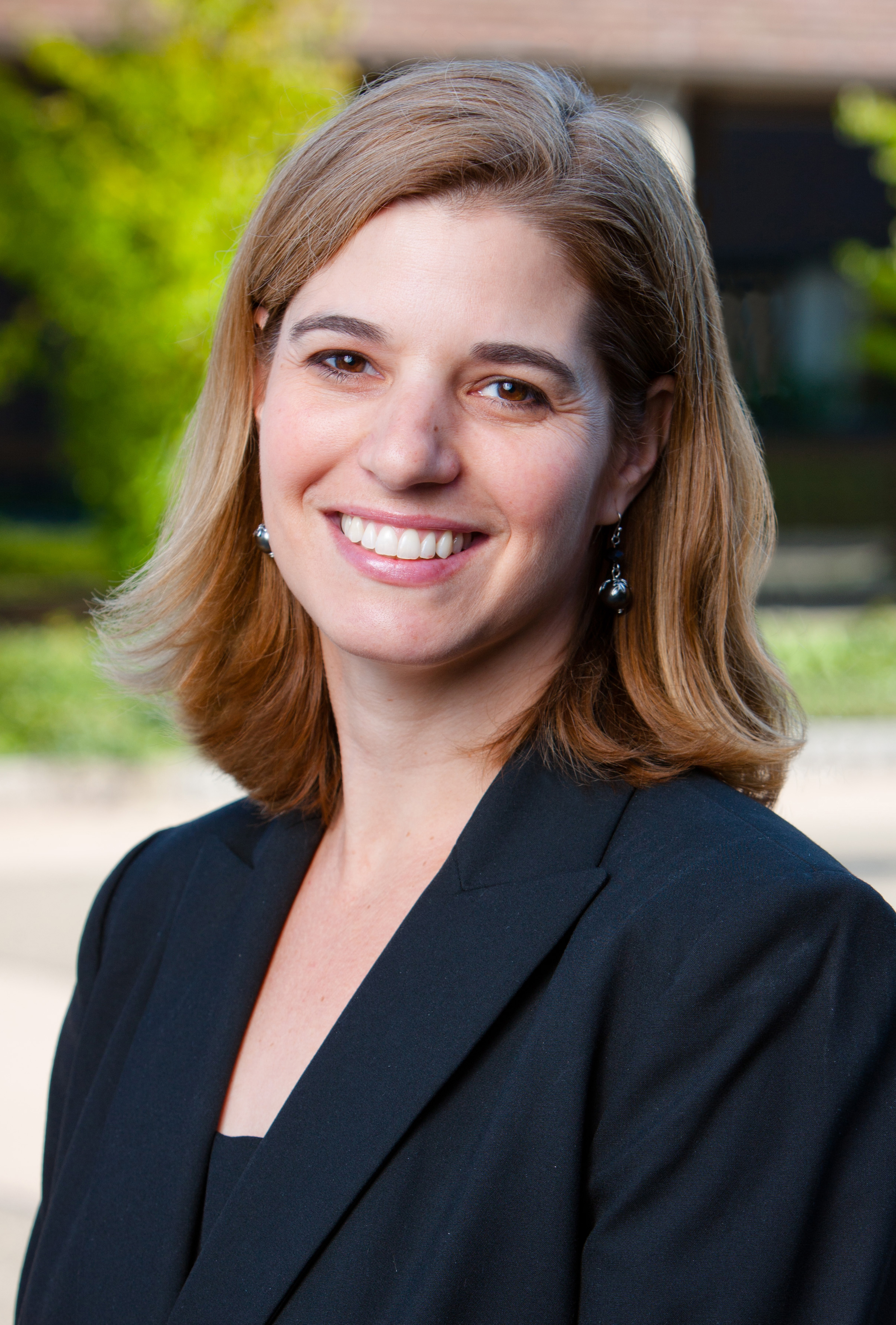
BUFFALO, N.Y. -- Understanding the line between harmless teasing and abusive bullying can mean the difference between interfering parents and those who help their children overcome painful child abuse, according to the newly appointed director of the University at Buffalo's Dr. Jean Alberti Center for the Prevention of Bullying Abuse and School Violence.
"Teasing is back and forth between your friends or people you know," says Amanda B. Nickerson, who begins her first semester at the recently endowed anti-bullying center in the UB Graduate School of Education. "It's designed to make people laugh. It's poking fun at one another.
"Bullying involves an imbalance of power between the person doing the bullying and the target. That could be due to size, age, perceived sexual-orientation -- anything that could put someone at risk of having less power. And it's also intentional. It's designed to inflict harm, either psychological or physical."
Nickerson says parents can look for some signs to tell whether a child is being victimized by a bully. "Parents know their kids, and they know what they're like," Nickerson says.
"If they have unexplained cuts or bruises," she says, "that's the classic sign."
But the warnings signs can be more subtle.
"If your child has gotten more quiet recently. Or your child doesn't want to go to school, or if they don't want to be in social situations. If they say they feel sick and there is no physical cause. All these are signs they could be being bullied."
Nickerson approaches the problem from the other side of the spectrum, as well. How do you reach the children bullying others?
"As far as signs your child might be acting out as a bully, they might be using terms for other people, such as saying, "He's gay,' or 'He's a wimp.' Or do they anger easily and seem really hostile and try to assert their power, even on their own siblings?"
Nickerson says the first thing parents should do when they discover their children are being victimized by a bully is acknowledge the fact their child felt comfortable enough to let them in their world.
"Say, 'Thank you for telling me' and 'I am so sorry that happened.' Just reinforce the child for telling you."
The next step is understanding that you can teach your child ways to cope. "You can't just ignore it and it will go away," Nickerson says. "You and your child are not alone.
"You can find some friend that can be with you so you will not alone when this happens. That can help," Nickerson says.
"I think of it as 'Don't walk alone.' You're going to be less at risk with someone, especially if they have a little more power, like an older sibling."
And Nickerson recommends getting the child's school involved. "The school has to know what is going on," she says. "And remember to keep school officials alert that this is happening.
"You tell school officials, 'My child won't talk to me but I am concerned. I think there is something happening.'"
Bullying can start at any age, she says.
"We start to see the signs in pre-school," she says. "But it really seems to peak when in middle school and other transitional periods, when going from elementary to middle, or middle to high school."
Nickerson also stresses the importance for parents to take a "balanced" approach to parenting and to model the behavior they espouse.
"It's important for parents to spend positive time with their children and provide support and encouragement, but also create and enforce rule and discipline," she says. "Parents need to send the message that treating others with dignity and respect is something that will be expected, taught and reinforced continually.
"Most people who see bullying ignore it or even join in," Nickerson says. "Be an upstander, not a bystander. Speak up and say this is not OK. Get help from a trusted adult. If you see something happening, say, 'I'm here for you.' Offer support to someone who is being picked on.
"Make a difference."
The University at Buffalo is a premier research-intensive public university, a flagship institution in the State University of New York system and its largest and most comprehensive campus. UB's more than 28,000 students pursue their academic interests through more than 300 undergraduate, graduate and professional degree programs. Founded in 1846, the University at Buffalo is a member of the Association of American Universities.
Charles Anzalone
News Content Manager
Educational Opportunity Center, Law,
Nursing, Honors College, Student Activities
Tel: 716-645-4600
anzalon@buffalo.edu