Empowering Instructors | Supporting Excellence
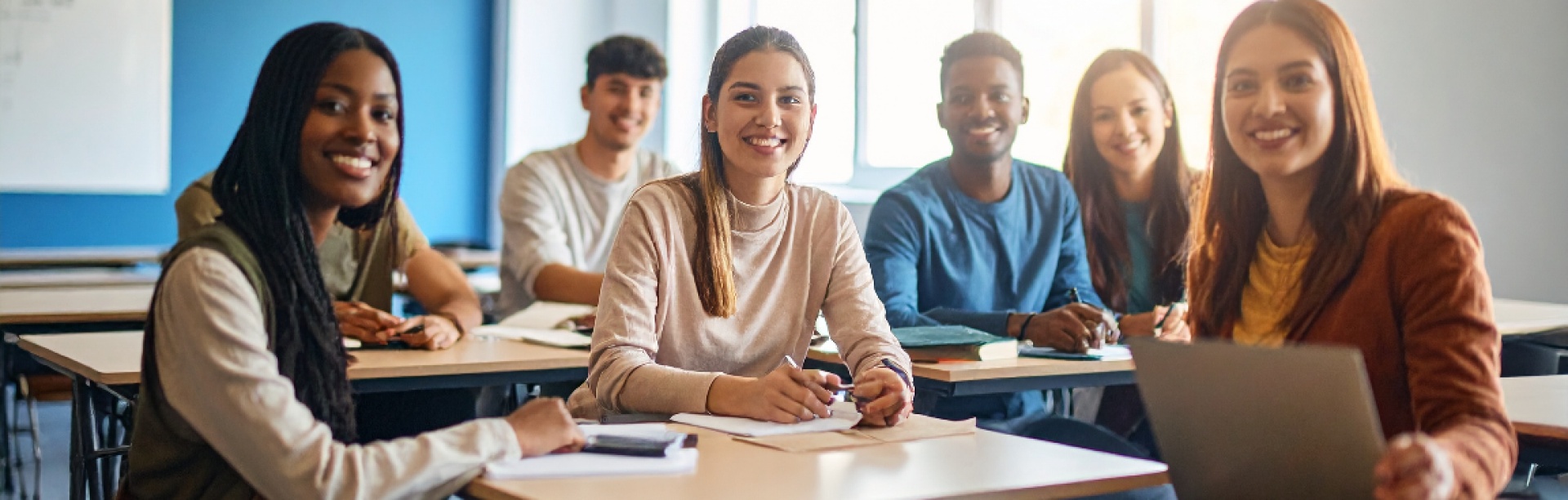
Engaging 21st Century Students
Instructional Insights | by Kristen D'Alessandro
Published September 24, 2025
Engaging 21st-century students in a post-COVID world calls for flexible, student-centered teaching that blends technology, collaboration, and active learning. Whether in physical or virtual classrooms, interactivity and community through discussion, peer feedback, and group projects help students stay connected and motivated. By integrating these elements, educators can create inclusive and future-ready learning environments.
This Instructional Insight is designed to equip faculty with the knowledge and strategies necessary to connect with modern students, leveraging their unique traits and experiences. Participants will explore a variety of techniques and innovative technologies to foster an interactive and collaborative learning environment.
- Analyze the evolving needs and characteristics of post-COVID students to inform student-centered teaching practices that support academic and emotional growth.
- Integrate active learning strategies and collaborative technologies to enhance student engagement, interaction, and ownership of learning.
- Design inclusive, future-ready learning experiences that intentionally develop 21st-century skills such as communication, critical thinking, creativity, and digital literacy.
Guiding Questions for This Insight
- In what ways has the post-COVID educational landscape reshaped student learning and engagement?
- How can educators effectively integrate student-centered techniques, and intentionally integrate technology to foster interactivity and collaboration?
- How can educators design learning experiences that intentionally develop 21st century skills to prepare them for success beyond the classroom?
Today I want to start off by talking about how the COVID-19 pandemic reshaped education—and why now, more than ever, we need a student-centered shift in teaching, supported by meaningful technology use and authentic collaboration.
When COVID-19 hit, classrooms around the world were forced to shut their doors. Almost overnight, teachers and students had to adapt to remote learning. This sudden shift exposed deep inequities in access to technology, internet connectivity, and even basic learning support at home. But it also revealed something else: the incredible resilience of educators and learners.
Yet, despite our best efforts, many students struggled. Engagement dropped. Learning gaps widened. And the traditional, one-size-fits-all model of teaching—already under strain—proved unsustainable in a digital environment.
The numbers are sobering. As of spring 2024, the average U.S. student in grades 3–8 remained nearly half a grade level behind 2019 achievement in math. In fact, students lost an average of 0.4 years of math education by the end of 2021, and by 2023, only about one-third of that loss had been recovered for 8th graders, only 28% performed at or above the NAEP Proficient level in math in 2024—6% lower than in 2019.
This brings us to a critical question: What kind of teaching do our students need now?
The answer lies in a student-centered approach—one that prioritizes the needs, interests, and voices of learners. In a post-pandemic world, students are not just catching up academically; they’re also navigating emotional, social, and psychological challenges. A student-centered model recognizes this. It shifts the focus from delivering content to cultivating curiosity, agency, and connection.
So how do we make this shift?
First, we need to foster collaboration and meaningful interaction. Learning is inherently social. Whether it’s through peer feedback, group projects, or virtual exchanges, students thrive when they feel seen and heard. A strategy that I’ve found effective is using activities like case studies, discussion forums, debates, gamification, group work, interactive lectures, jigsaw readings, peer feedback, Project-Based Learning and many more, which incorporate principles of active learning.
Secondly, we must incorporate technology meaningfully. Technology is not a silver bullet—but when used intentionally, it can personalize learning, provide real-time feedback, and open doors to global perspectives. There are many models to consider when incorporating technology purposefully, take a look at them in the resources provided. Some of my favorite technologies include: Kahoot, TopHat, Piazza, PeerMark, Khan Academy, Padlet, & Copilot. These technologies can empower students to create, reflect, and collaborate beyond the walls of the classroom.
Finally, we must remember that this transformation starts with us—as educators, leaders, and lifelong learners. It requires us to be flexible, empathetic, and willing to reimagine what learning can look like.
In closing, the pandemic disrupted education—but it also gave us a rare opportunity to rebuild it better. Let’s not return to “normal.” Let’s move forward—toward a model of teaching that is inclusive, innovative, and deeply human.
Thank you.