Research Areas

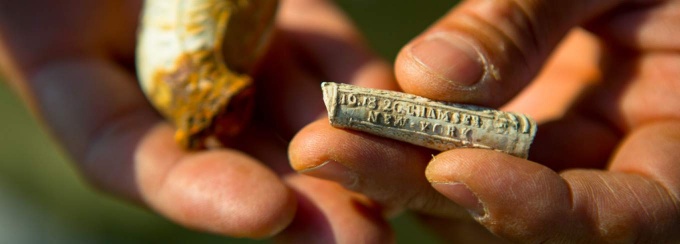
Close-up of hands holding small historical artifacts, including a stamped fragment labeled “New York,” representing archaeological research.

Research in the Department of Anthropology at the University at Buffalo explores what it means to be human, past and present. Our research areas address big questions about culture, biology, health and history, and they offer many ways for students to get involved. From laboratories and archives to field sites and communities, students learn alongside faculty in a research culture built on curiosity, collaboration and real-world impact.

What we study

The department’s research spans four core areas of anthropology. Each area approaches human questions from a different perspective, from biological evolution to culture, history and health.

  • Archaeology
    3/19/26
    How material remains reveal human stories. Archaeology investigates ancient and historic societies through artifacts, landscapes and cultural heritage. Researchers study how communities formed, how people adapted to environmental change and how material culture reflects belief, power and identity. Students interested in archaeology, history, heritage preservation and museum work often begin their research journey here.
  • Biological anthropology
    3/19/26
    How humans evolved and why variation matters. Biological anthropology examines human evolution, biological diversity and primate behavior. Research connects fossil evidence, skeletal biology and evolutionary science to present-day questions about adaptation, health and human variation. Students interested in human evolution, anatomy, medicine and evolutionary science often pursue research in this area.
  • Cultural anthropology
    3/19/26
    How history, power and identity shape everyday life. Cultural anthropology explores how social, political and environmental forces influence communities across time. Research examines topics such as identity, migration, heritage and law, showing how historical forces shape everyday life. Students interested in politics, culture, law, migration and international research often explore this area.
  • Medical anthropology
    3/19/26
    How culture shapes health, illness and care. Medical anthropology investigates how people experience health, illness and systems of care. Research examines how culture, environment and community shape well-being and health outcomes. This area is especially relevant for students interested in medicine, public health, global health and community-based research.

Get involved in research

Research is a central part of anthropology at UB. Students can participate in excavations, laboratory projects, ethnographic studies and collaborative research with faculty.

Many students begin with coursework and then move into independent research, lab work or field experiences that prepare them for graduate study and careers in research, health, heritage and public service.

Take the next step

If you are curious about people, cultures and the forces that shape human life, anthropology research at UB offers a supportive place to ask big questions and develop real, broadly applicable quantitative and qualitative research skills.