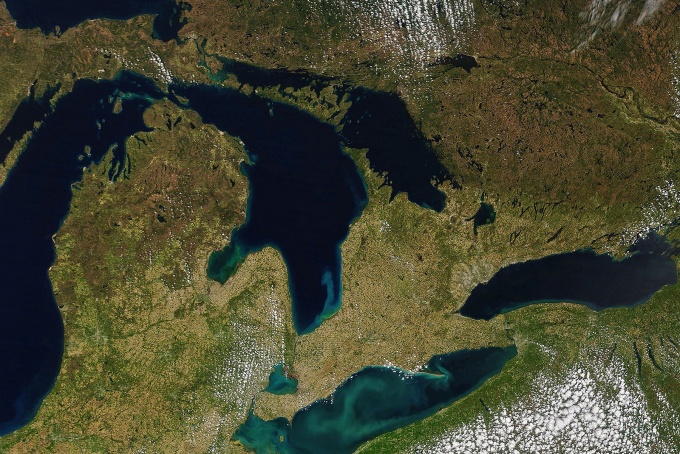
UB will play an expanded role in researching and protecting the largest group of freshwater bodies on Earth.
Ethics in the curriculum will now be a requirement, rather than an afterthought, organizers say.
Researchers in the School of Management have developed a solution to manage cloud computing resources more cost-effectively.
The findings of a study led by UB's Jack Tseng fill an important gap in scientists’ knowledge of how hyenas reached North America.
Researchers cite marketing efforts geared toward African Americans as being among the reasons why these smokers are 12% less likely to quit.
We love having options, but when we're actually forced to choose, the process goes south, UB psychology researchers say.
UB scientists have been awarded $1.8 million to develop membranes that can separate carbon dioxide from other emissions.
UB researchers stress the importance of improving primary doctors' understanding of adolescent substance use to better address health needs.
Comprehensive report details the opportunities, challenges and key considerations surrounding five subsectors of clean energy.
New award acknowledges AADR members who have made significant contributions to the association and helped further its mission.
The UB-led study’s findings from the Tennessee Stories Project can inform educators, clinicians and policymakers.