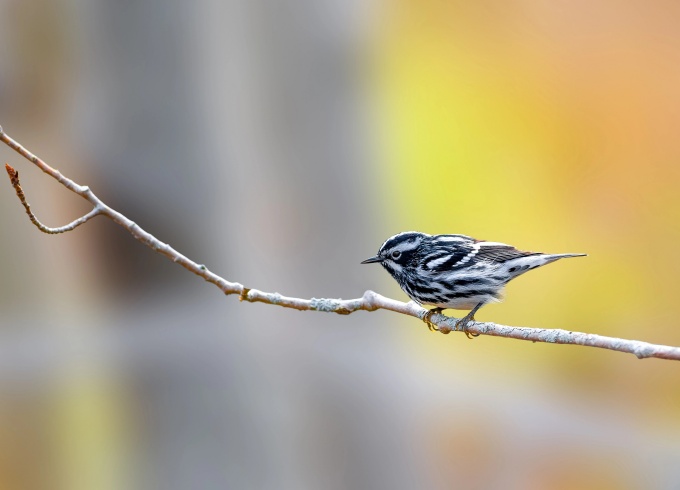
UB study compared air quality data with birdwatching reports, including during historic 2023 wildfire season.
The UB pharmacy professor’s research contributions and his numerous patents led to his inclusion in the prestigious organization.
Samples from water, fish and bird eggs demonstrate the need to measure these unique molecular structures separately.
A new wave of projects — from surgery to climate science — pushes innovation in these high-stakes challenges.
The findings of a study strongly suggest that genetic testing should be done on all children with heart failure and myocarditis.
An immersive, multimedia exhibition invites audiences into an underwater world of oysters, and how human-made sounds might affect them.
The discovery, featured on the cover of Analytical Chemistry, could potentially slow the progression to full-blown diabetes.
New research from the School of Management spotlights the value women bring to audit teams and the workplace.
UB spinout Auspex Medix advances AI-powered hearing test to help older adults thwart cognitive decline, Alzheimer’s and more.
A UB study of third-year pharmacy students indicates that presenting facts can influence views and reduce stigmas.
A UB-Instacart pilot study increased the nutritional quality of groceries of families with young children without increasing grocery costs.