Phase II: South Campus
Creating a Planning Framework
Concepts Phase Planning Principles
- Provide identity for academic precincts
- Create opportunities for interdisciplinary collaboration
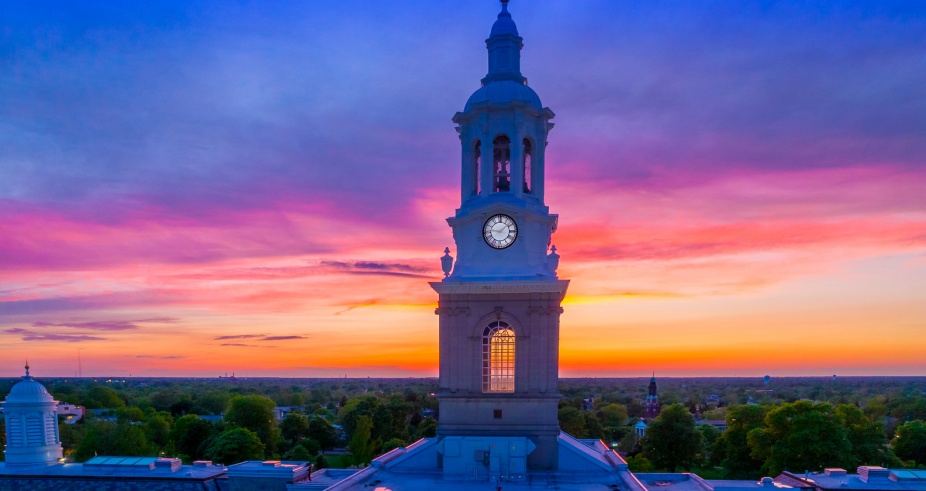
- Protect the historic core and views to iconic buildings
- Promote pedestrian circulation and alternative transportation
- Minimize the impact of vehicles on the landscape and neighborhoods
- Cultivate the learning landscape with a variety of innovative academic spaces
Campus Precincts

Academic Core:
- The historic academic precinct is protected and preserved
- Should non-academic Complementary Uses—a Charter School, an Executive Education Center—be on the edge of campus or within the Academic Core?
- Should new housing be located near existing housing, or in different locations on campus?
Campus Life

Enliven the campus with services such as:
- New options for dining
- Expanded recreation and wellness complex
- Centrally located Daycare and Health Services
- Should retail program be developed on the South Campus?
Pedestrian Circulation

Existing north-south paths follow the natural topography…
- …and are supported by secondary connector paths to the edges of the campus
- All campus buildings can be reached in a seven-minute walk
Alternative Transportation

- The Metro stop is a great link to Downtown. How can alternative modes of transit better connect South Campus to North Campus?
- The 600 park-and-ride parking spaces must stay, but they can be more sustainable and more attractive.
Vehicular Circulation

- Complete the Hayes Road loop, and provide proper access to all buildings
- There is no “primary” entrance to the campus. Four visible entries distribute traffic well.
- Entries should be clearly identified and illuminated.